


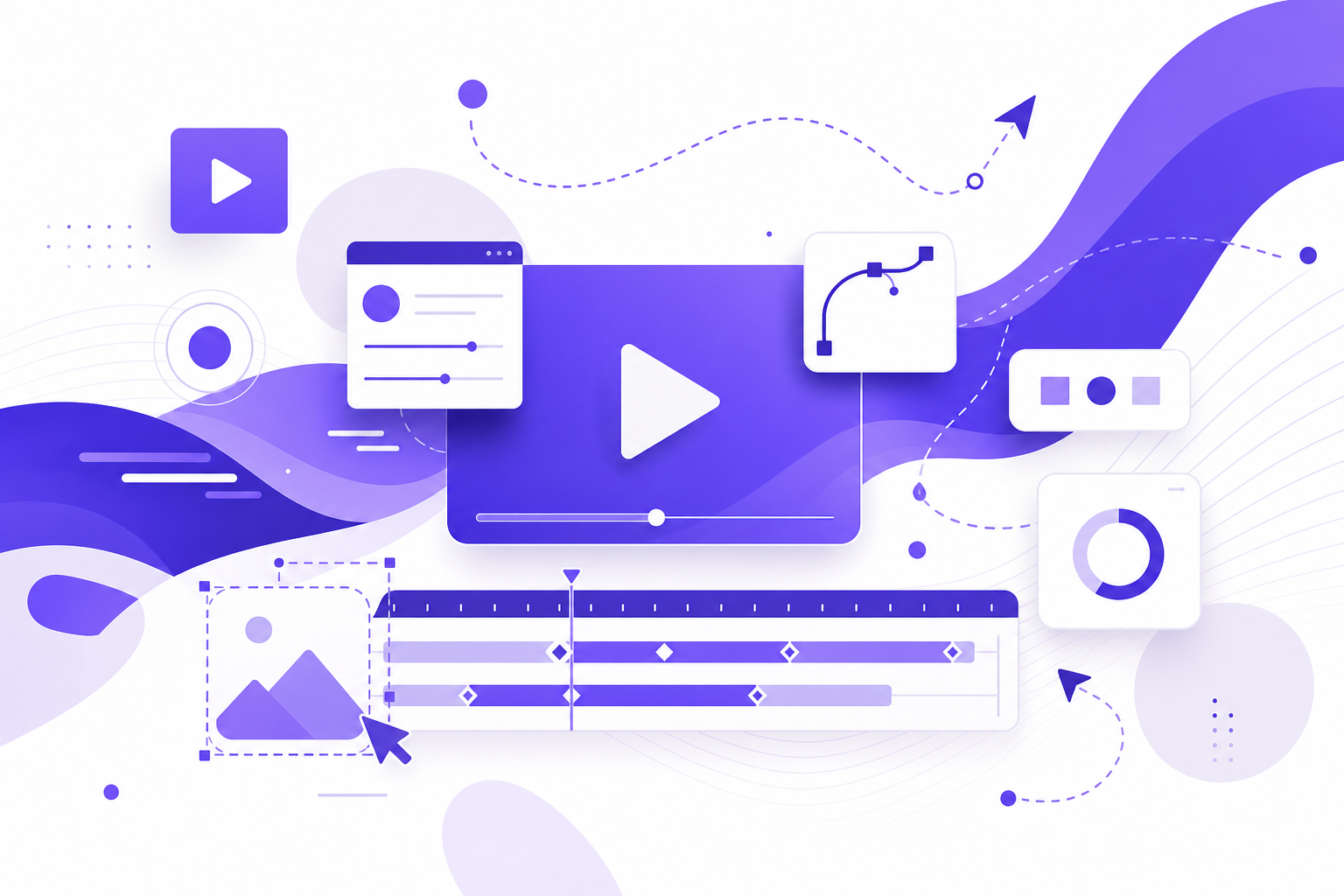
Static screens no longer match how people expect to communicate online. From product tours that explain features in seconds to scroll-driven narratives that hold attention on a landing page, motion design has become a core language of digital communication — not a decorative afterthought.
For small businesses, startups and marketing teams in the USA, UK and Australia, thoughtful animation can clarify complex offers, humanize a brand and lift conversion rates when it is purposeful, fast and accessible. This guide explains what motion design means in 2026, where it delivers the highest return and how to implement it without sacrificing performance.
Why Motion Design Matters in the New Era of Digital Communication
Digital communication today is multimodal: text, imagery, video, audio and interaction often appear together on a single screen. Motion ties those elements into a coherent story. Research on visual attention suggests that movement naturally draws the eye and helps users predict what will happen next on an interface (Nielsen Norman Group, 2020).
That predictive quality is why motion design supports usability, not just aesthetics. A button that subtly scales on hover confirms clickability. A form field that shakes after an error signals a problem before the user reads the message. A progress indicator during checkout reduces anxiety about whether a payment went through.
As short-form video dominates social feeds and AI-generated content floods channels, brands need distinctive motion systems — consistent timing, easing and choreography — to stand out. Motion becomes as recognizable as a logo or color palette when applied with discipline across your website, ads and email campaigns.
How Digital Communication Has Shifted
Several forces are pushing motion from optional polish to strategic infrastructure:
- Short attention windows. Users skim faster than they read. Animation can sequence information so key messages land in the first few seconds.
- Product-led growth. SaaS and app companies rely on interactive demos and animated onboarding to reduce support load and accelerate activation.
- Cross-channel consistency. The same motion principles should appear on your homepage, Instagram reels and sales deck so the brand feels unified.
- Immersive formats. Scroll-linked storytelling, Lottie icons and lightweight 3D elements are now feasible on the web without native apps.
The shift is not about adding more effects. It is about communicating hierarchy, state and emotion through time — the dimension static design cannot express on its own.
Micro-Interactions and Interface Motion
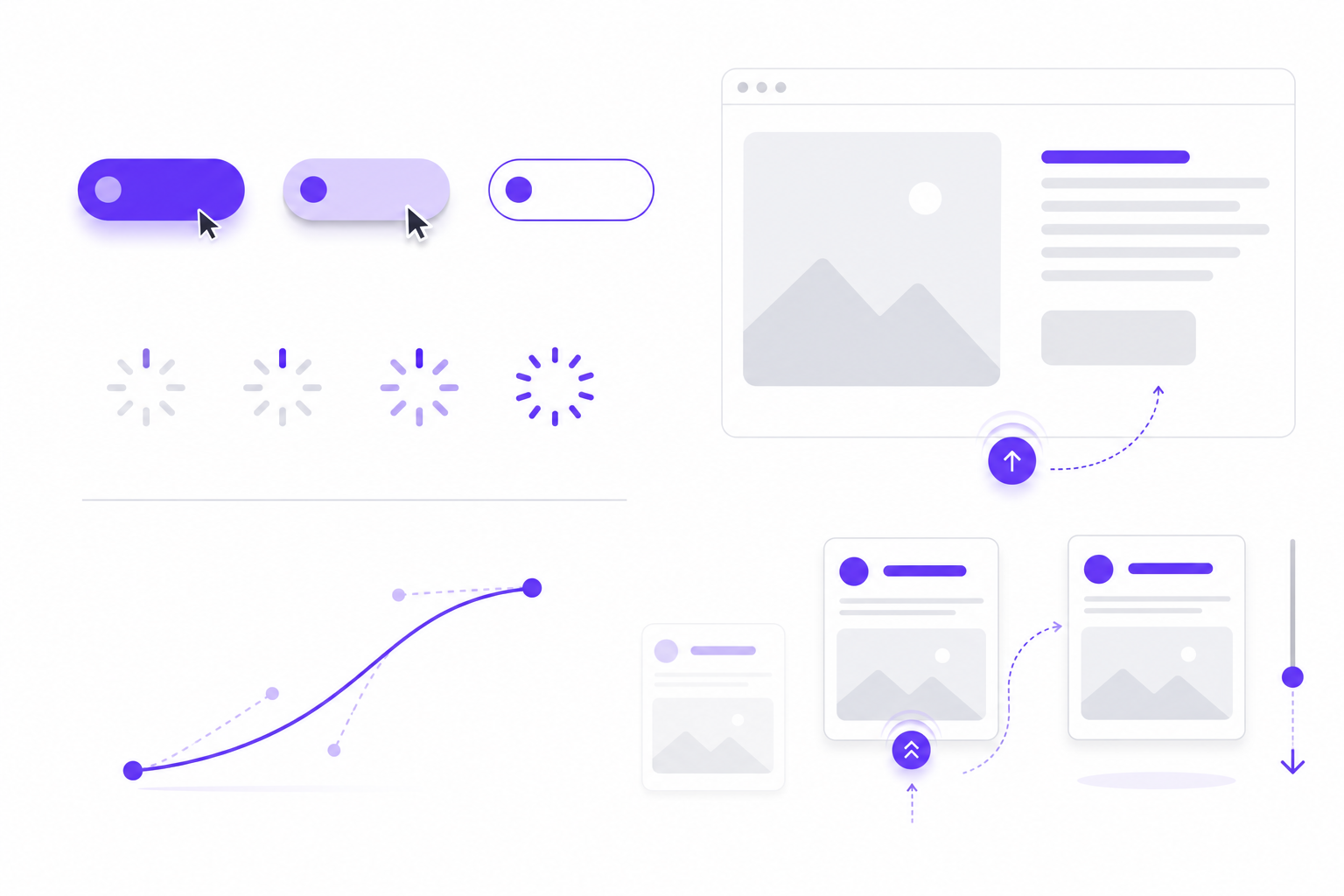
Micro-interactions are small, functional animations tied to a single task: liking a post, toggling dark mode, expanding an FAQ or confirming a download. Done well, they reinforce cause and effect so users never wonder whether the system received their input.
Principles for Effective UI Motion
- Purpose first. Every animation should answer a user question: What changed? What can I do next? Where am I in this flow?
- Short durations. Most interface transitions work best between 150 and 300 milliseconds. Longer animations slow power users.
- Natural easing. Ease-out for elements entering the screen and ease-in for elements leaving mimics physical motion and feels less mechanical than linear timing.
- Consistent choreography. Define a motion spec (duration tokens, distance, stagger rules) in your design system so developers and designers stay aligned.
Material Design and Apple’s Human Interface Guidelines both treat motion as a functional layer for feedback and spatial orientation (Material Design, 2024; Apple HIG, 2024). Your site should document similar rules rather than improvising per page.
Motion as Brand Storytelling
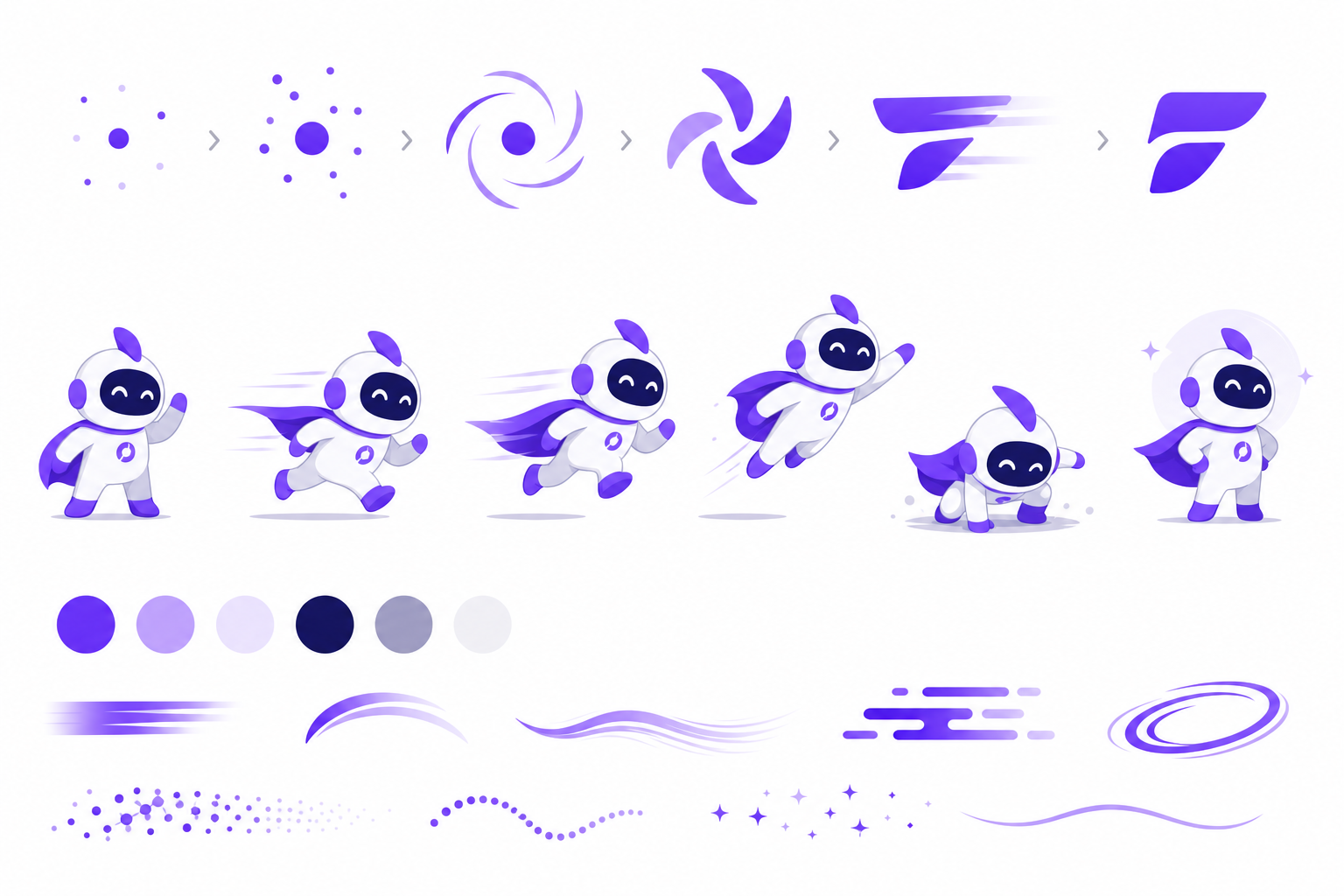
Brand storytelling is no longer limited to copy and photography. Motion expresses personality: a fintech brand might use precise, minimal transitions to signal trust; a creative agency might use bold parallax and elastic easing to signal energy.
Building a Brand Motion Language
- Audit your touchpoints. List every place users see movement: hero, navigation, loaders, modals, social templates.
- Define motion attributes. Choose adjectives (calm, playful, technical) and map them to speed, amplitude and style.
- Create reusable assets. Lottie JSON, CSS keyframe libraries and short logo stings reduce production time on future campaigns.
- Test with real users. Qualitative sessions reveal whether animation clarifies your value proposition or merely distracts.
When motion aligns with verbal messaging, recall improves. Users remember how a brand felt during an interaction as much as what it said.
Motion Across Web, Social and Video
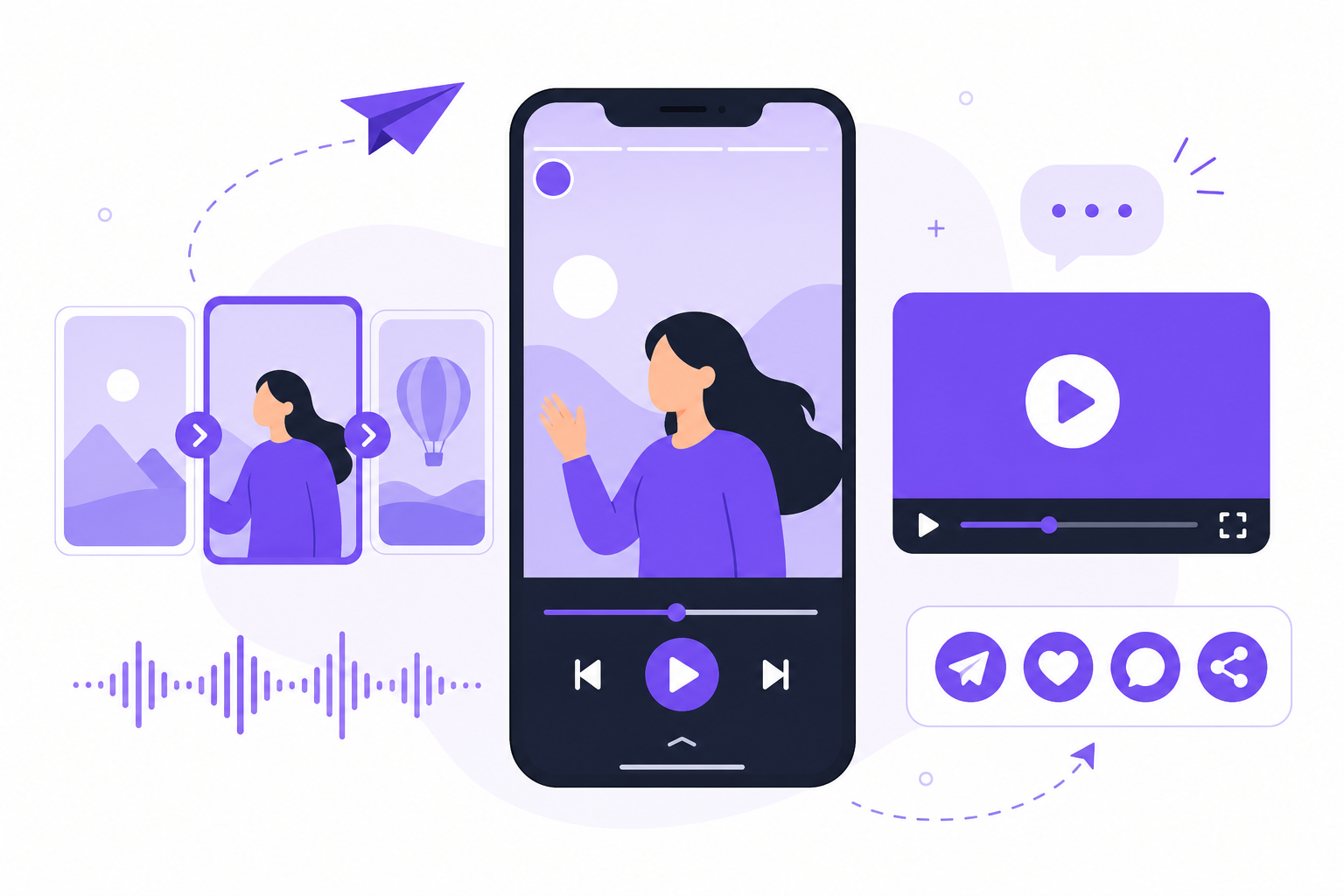
Each channel has different constraints, but the same narrative logic applies.
Websites and Landing Pages
Hero animations, scroll-triggered reveals and animated statistics can increase time on page when they highlight benefits rather than decorate empty space. Pair motion with strong headlines and clear CTAs so animation supports conversion, not vanity metrics.
Social Media and Paid Ads
Platforms favor native video and motion-rich creatives. Looping product clips, kinetic typography and subtle logo outros improve thumb-stop rates. Repurpose web motion assets into 6–15 second cuts to keep production efficient.
Explainer and Product Video
Motion graphics explain abstract services — cloud infrastructure, APIs, healthcare workflows — faster than screenshots alone. A 60–90 second explainer on your services page can shorten sales cycles by answering objections before the first call.
Align motion across channels through a shared storyboard: one core narrative, adapted per format, rather than unrelated clips per platform.
Performance, Accessibility and Responsible Motion
Animation must never come at the cost of speed or inclusivity. Google’s guidance on page experience still prioritizes fast load and stable layouts (Google Search Central, 2024). Heavy autoplay video backgrounds, unoptimized GIFs and JavaScript-driven parallax can inflate Largest Contentful Paint and Interaction to Next Paint scores.
Performance Best Practices
- Prefer CSS transforms and
opacityfor animations; they are GPU-friendly and avoid layout thrashing. - Use vector formats (SVG, Lottie) instead of large GIFs for icons and illustrations.
- Lazy-load below-the-fold motion and defer non-critical animation libraries.
- Cap simultaneous animations on mobile to preserve battery and frame rate.
Accessibility and Reduced Motion
WCAG guidance recommends that users can disable non-essential animation that might trigger vestibular disorders (W3C, 2023). Implement the CSS prefers-reduced-motion media query to replace parallax and large transitions with instant state changes or simpler fades.
Accessible motion is not motionless design — it is motion that respects user preferences and never blocks task completion.
Frequently Asked Questions
What is motion design in digital communication?
Motion design is the use of animation, transitions and timed visual feedback to guide attention, explain concepts and express brand identity across digital touchpoints. It includes UI micro-interactions, marketing videos, social motion graphics and scroll-based web storytelling.
Does animation slow down websites?
It can if implemented poorly. Lightweight CSS and SVG-based motion usually have a small performance footprint. Avoid large autoplay videos, unoptimized GIFs and excessive JavaScript animation on critical paths. Always test with PageSpeed Insights after adding motion.
When should a business invest in motion design?
Invest when motion clarifies your offer, improves onboarding or lifts conversion on high-traffic pages. Start with hero sections, product demos, key CTAs and social ad templates. Scale your motion system once you see measurable engagement or conversion gains.
What is the difference between motion design and motion graphics?
Motion graphics typically refers to animated video content — explainers, ads, title sequences. Motion design is broader: it includes UI animation, interaction design, brand motion systems and any timed visual communication in digital products.
How do I brief a agency for a motion project?
Share brand guidelines, target audience, key messages, deliverable formats (web, social, presentation) and success metrics. Reference competitors to emulate or avoid, and specify accessibility and performance requirements up front.
Ready to Bring Motion to Your Brand?
Motion design is one of the most powerful tools in the new era of digital communication — when it is intentional, on-brand and built for real users. Whether you need animated UI for a product launch, scroll-driven storytelling on your homepage or campaign assets for social and paid media, Veltrix Tech’s design and development services help you move faster without sacrificing speed or accessibility.
Let’s design motion that communicates and converts.
References
- Nielsen Norman Group. “Animation for Attention and Comprehension.” nngroup.com, 2020.
- Material Design. “Motion overview.” m3.material.io, 2024.
- Apple Inc. “Motion — Human Interface Guidelines.” developer.apple.com, 2024.
- Google Search Central. “Understanding page experience in Google Search results.” developers.google.com, 2024.
- W3C Web Accessibility Initiative. “Animation from Interactions (Understanding WCAG 2.2).” w3.org, 2023.