


Fame opens doors. A strong logo keeps them open long after the spotlight shifts. Across music, sports, beauty, fashion and digital media, celebrities and public figures have built empires worth billions — and the most durable ones share a visual anchor that works on a tour hoodie, a perfume box and a 48-pixel app icon alike.
This guide explores how more than 150 celebrity logo approaches turn recognition into brand identity. You will learn the main logo types, industry-specific patterns, design principles professionals use and how any business or creator can apply the same strategy with intentional branding.
From Fame to Brand: Why Celebrity Logos Matter
Attention is temporary; identity is transferable. When a fan buys merchandise, streams a podcast or follows a sub-brand, the logo signals authenticity and quality without repeating a face or name in every layout. That is the difference between being famous and being a brand.
According to industry analysis of the global personal branding market, creator-led and celebrity-licensed products continue to expand as social platforms shorten the path from audience to product (Statista, 2025). A recognizable mark reduces friction in that journey: it is the stamp that says, this belongs to me.
Logos also protect commercial clarity. Partnerships, collabs and spin-off lines multiply quickly. A distinct mark helps legal, retail and marketing teams enforce consistency and avoid confusion in crowded categories.
Types of Celebrity Logo Designs
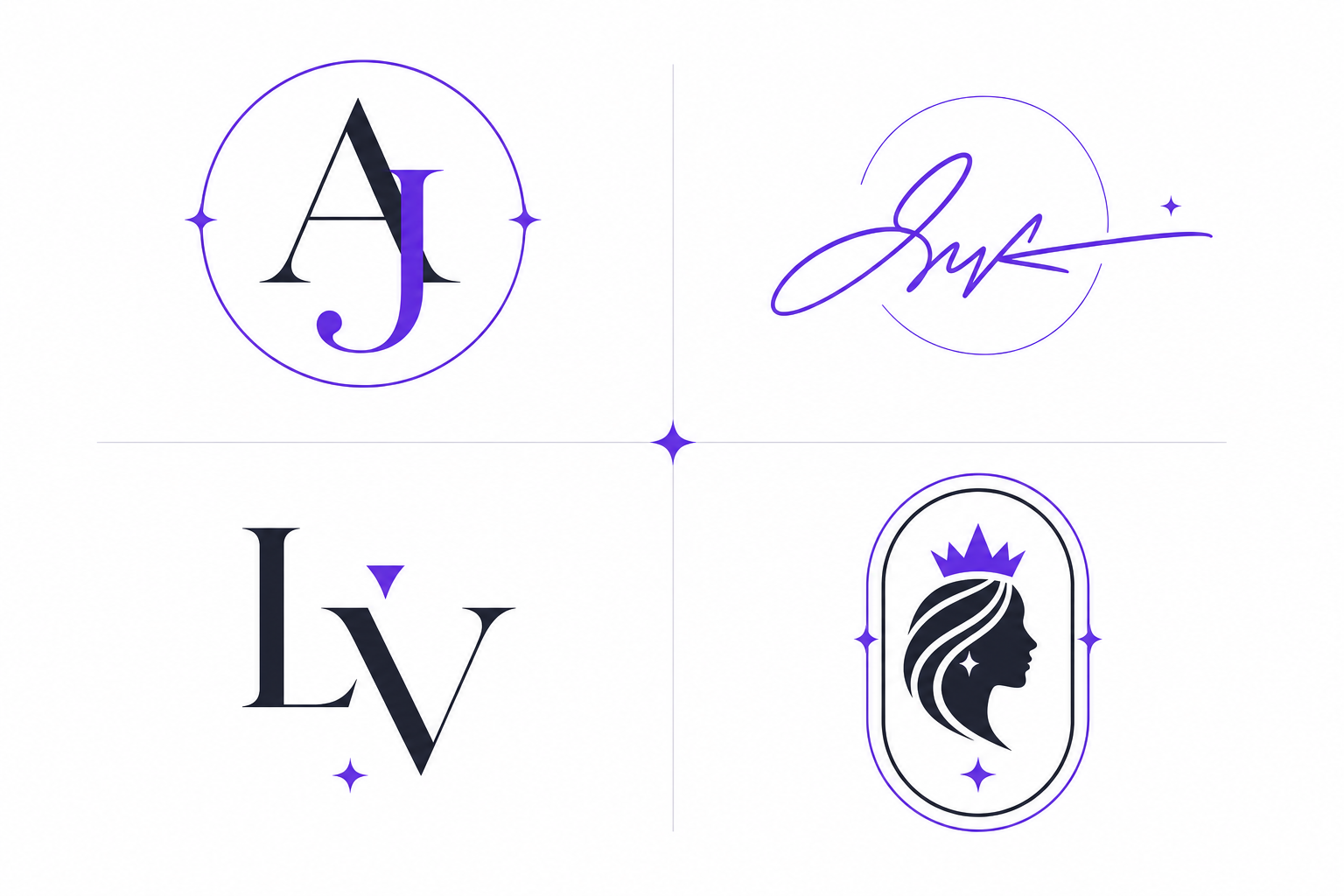
While every star aims for uniqueness, most celebrity logos cluster into repeatable formats. Understanding these types helps you evaluate inspiration and brief designers effectively.
1. Monogram and Initial Marks
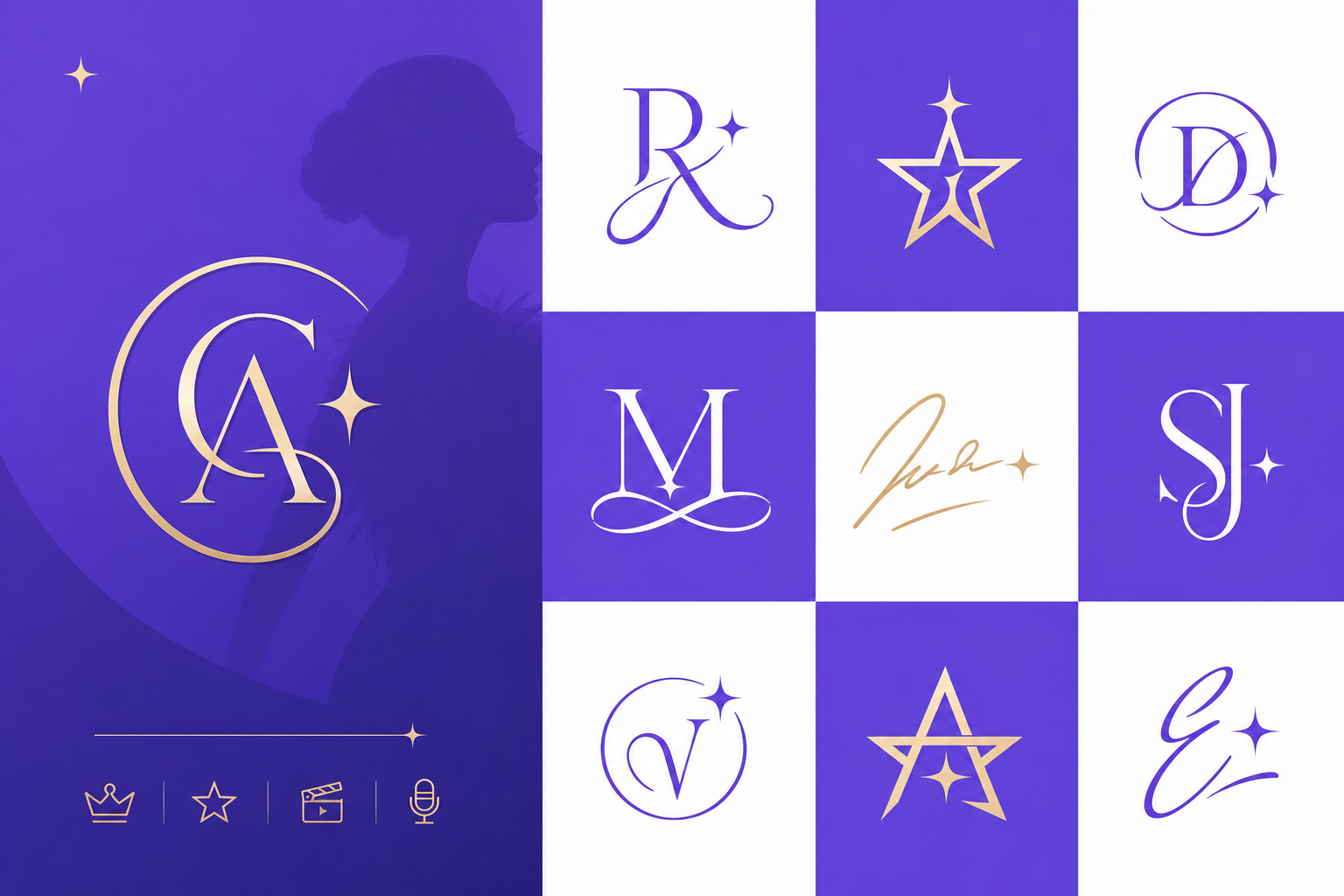
Interlocked initials convey luxury and exclusivity. Fashion houses and athletes often use monograms on leather goods, embroidery and packaging where space is tight. The mark must stay legible at small sizes and work in single-color applications such as foil stamping.
2. Script and Signature Logos
Handwritten-style wordmarks feel personal and authentic — ideal for musicians, authors and lifestyle personalities. The risk is poor readability at small scale, so professionals usually create a simplified version for digital use.
3. Bold Wordmarks
Custom typography turns a name into a symbol. Media figures, comedians and beauty founders frequently use distinctive letterforms that appear on mic flags, YouTube banners and product labels without extra icons.
4. Emblems and Badges
Crest-style logos borrow from sports and streetwear culture. They bundle initials, dates or symbols inside a contained shape that looks strong on caps, rings and limited-edition drops.
5. Abstract Icons and Symbols
Some celebrities adopt a simple geometric or metaphorical icon that outlives name changes or rebrands. These work exceptionally well as social avatars and app icons when the audience already knows the owner.
150+ Approaches Across Music, Sports, Beauty and Beyond
Rather than treating celebrity logos as random art, designers catalog hundreds of variations by industry and intent. Below is a structured overview of how 150+ real-world approaches distribute across major categories — each row reflects patterns seen across global entertainment branding.
Music and Entertainment (40+ patterns)
- Tour monograms printed on merch and LED screens
- Album-era wordmarks that refresh with each release cycle
- Record-label sub-brands nested under a parent logo
- Script signatures on vinyl, posters and streaming canvases
- Collaboration lockups combining two artist marks for joint tours
Artists often rotate visual eras while keeping a core element — a letterform, color or symbol — so fans recognize evolution without losing continuity.
Sports and Athletics (35+ patterns)
- Personal monograms on shoes and apparel lines
- Foundation logos separate from performance brands
- Number-and-initial combinations tied to jersey identity
- Motivational wordmarks for training and lifestyle products
- Charity and community program badges
Athletes frequently launch brands that must perform globally. Logos are tested on footwear, equipment and broadcast graphics before retail launch.
Beauty, Fashion and Lifestyle (40+ patterns)
- Minimal sans-serif marks on skincare and fragrance
- Luxury monograms on handbags and packaging
- Gender-neutral wordmarks for inclusive product lines
- Editorial-style logos for magazines and digital channels
- Capsule collection badges for seasonal drops
Beauty and fashion logos prioritize shelf presence and Instagram grid cohesion. Soft palettes and refined typography signal premium positioning.
Media, Podcasts and Digital Creators (35+ patterns)
- Avatar-friendly circular icons for YouTube and TikTok
- Bold wordmarks on podcast cover art
- Mascot or character marks for family channels
- Newsletter and membership sub-brand logos
- Merch-first designs optimized for print-on-demand
Creators scale faster than traditional celebrities but face the same need: a mark that survives algorithm changes and platform redesigns.
Collectively, these categories exceed 150 distinct approaches when you include sub-brands, tour variants, collab lockups and regional adaptations. The lesson is not to copy a single famous mark but to study why a format fits a business model.
Design Principles That Make Celebrity Logos Iconic
Simplicity Wins at Every Size
The most effective marks reduce complexity. Fine lines and gradients often fail on embroidered caps or dark-mode interfaces. Designers test logos at favicon scale before approving final files (LogoLounge, 2024).
Authenticity Over Imitation
Fans detect inauthentic branding quickly. Logos should reflect real personality, genre and audience values — not generic luxury clichés unless that truly fits the positioning.
Color as Emotional Code
Black-and-gold signals prestige; neon gradients signal youth culture; earth tones signal wellness. Celebrity palettes rarely change without a deliberate rebrand because color becomes part of memory.
Typography With Character
Custom or licensed typefaces prevent lookalike issues and strengthen trademark potential. Pairing a display logo with a simpler text font for body copy keeps layouts professional across websites and press kits.
Legal and Trademark Readiness
Public figures invest in trademark searches and registration for core marks and product classes. Clear ownership prevents costly disputes when merchandise scales internationally.
Building a Full Brand Identity System
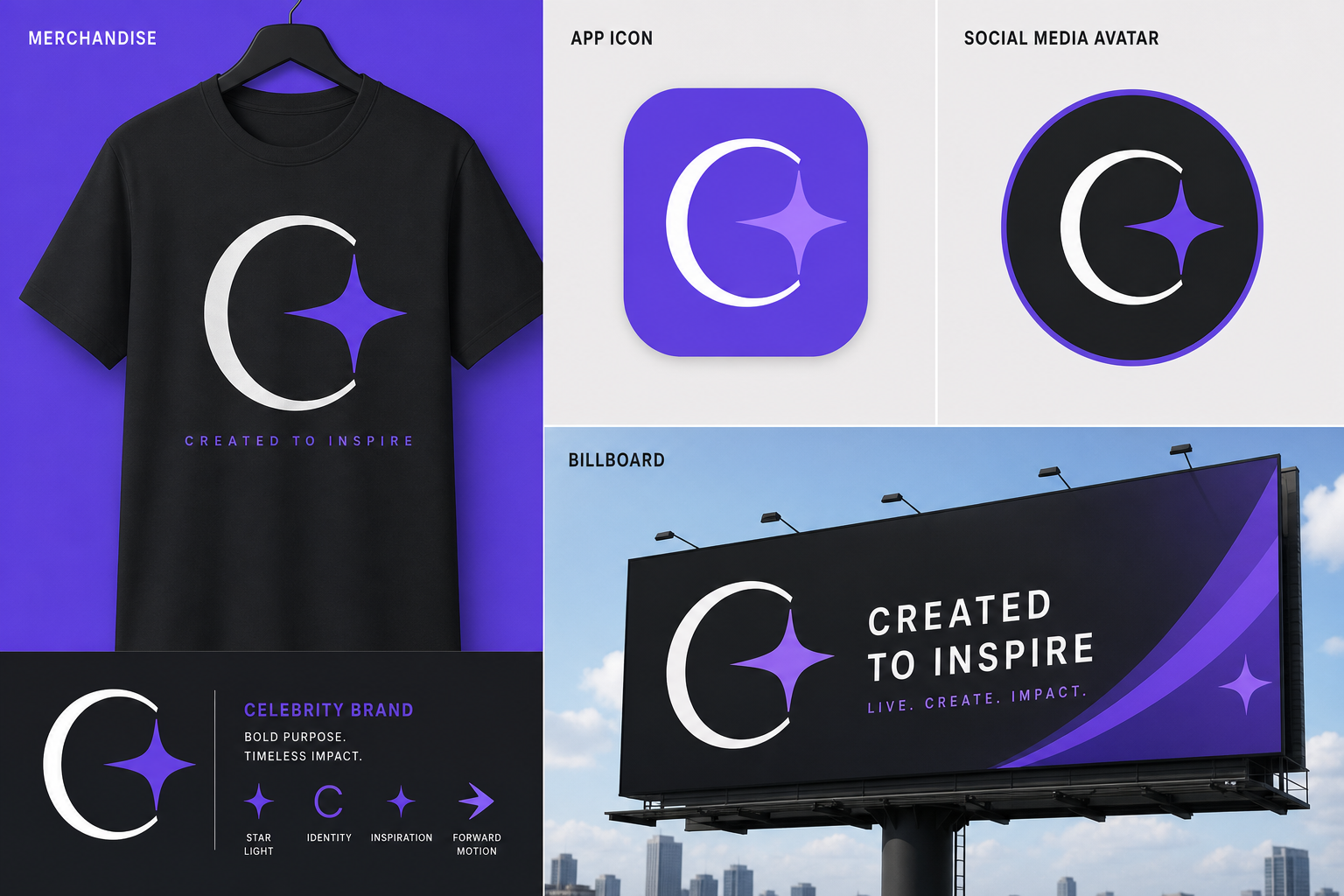
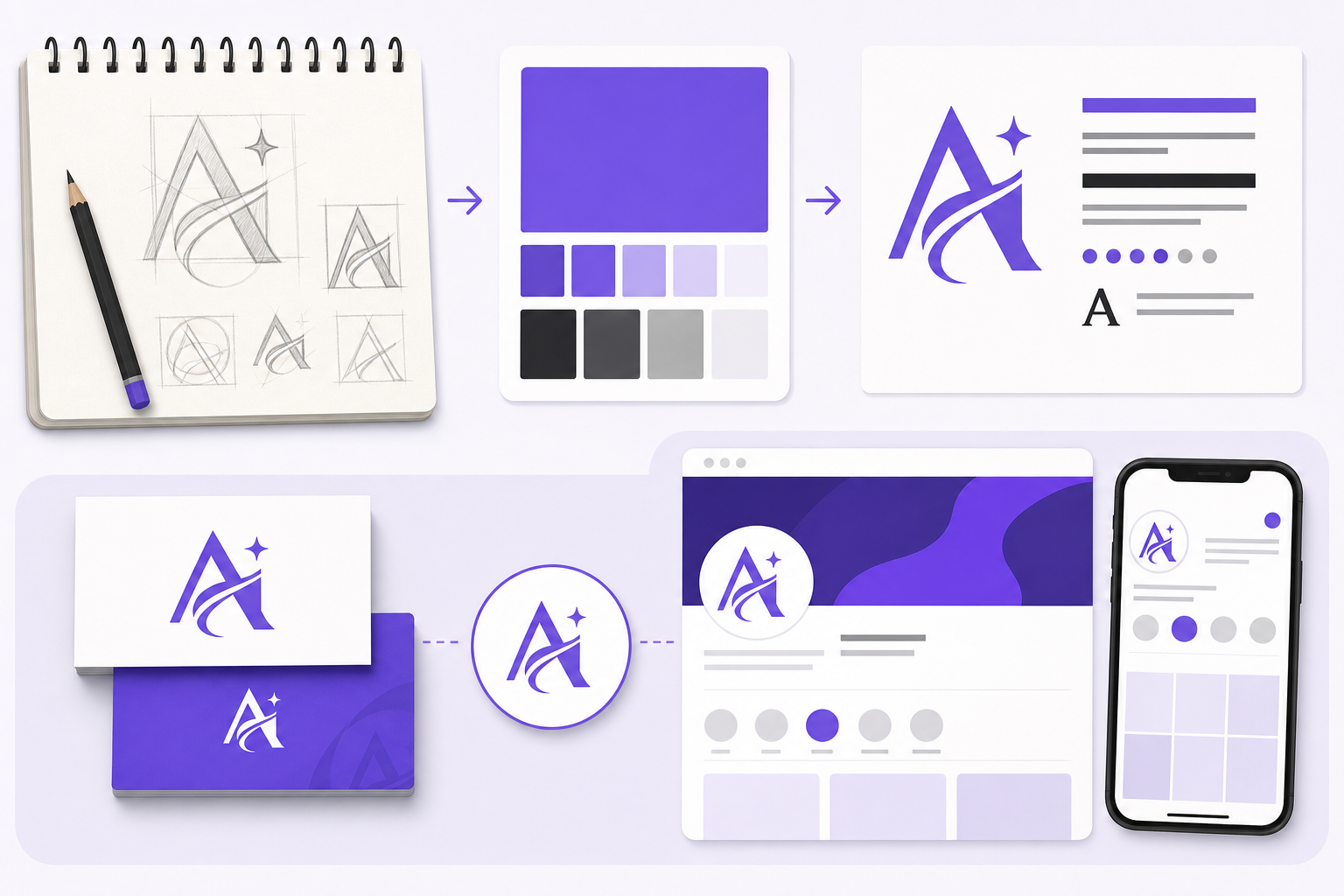
A celebrity logo rarely stands alone. Successful teams deliver a brand system that includes:
- Primary and secondary logos for horizontal, stacked and icon-only use
- Clear space and minimum size rules so partners print correctly
- Color, typography and imagery guidelines for campaigns and packaging
- Motion versions for video intros and social stories
- Merch templates for tour vendors and e-commerce
- Digital assets for websites, email and ad platforms
When identity is documented, collaborators — agencies, licensees, retailers — reproduce the brand faithfully. That consistency is what converts momentary fame into long-term equity.
Whether you are launching a creator brand or refreshing a company mark, professional brand and web design ensures your logo works in the real world, not only on a presentation slide.
Lessons for Founders, Creators and Small Businesses
You do not need a million followers to benefit from celebrity-level branding discipline:
- Start with strategy. Define audience, tone and commercial goals before sketching.
- Design for merch and mobile first. If it works on a hoodie and an avatar, it will work almost everywhere else.
- Protect your mark early. Consult trademark guidance in your primary markets (US, UK, EU, Australia).
- Document usage rules. Even a one-page brand guide prevents visual drift.
- Refresh with intent. Evolve logos when your offer or audience shifts — not on a whim every quarter.
Celebrities treat logos as business infrastructure. Treat yours the same way and your marketing, website and products will feel cohesive from day one.
Frequently Asked Questions
Why do celebrities need a logo if they are already recognizable?
Faces do not scale onto every product, partnership or platform. A logo provides a flexible, legally protectable symbol that represents the brand when photos are impractical or when sub-brands operate independently of the person's image.
What is the most common celebrity logo style?
Monograms and custom wordmarks dominate because they balance personality with versatility. Script signatures are popular in music but usually paired with a simplified variant for small digital use.
How much does a professional celebrity-level logo cost?
Agency-grade identity projects for public figures can range from $10,000 to $100,000+ including strategy, multiple concepts and full brand guidelines. Small businesses and creators can achieve strong results at lower tiers with focused scope and experienced designers.
Can I use celebrity logos for inspiration?
Study patterns and principles, never copy distinctive marks. Infringement risks legal action and damages brand trust. Work with a designer to create an original identity rooted in your story.
How do celebrity logos connect to websites and SEO?
Your logo anchors site header, favicon, Open Graph images and structured data for organization branding. A consistent visual identity improves trust, click-through rates and recall when paired with strong SEO and content strategy.
Ready to Build a Brand Identity That Lasts?
Celebrity logo designs prove that fame becomes a business when visual identity is intentional, simple and everywhere your audience looks. Veltrix Tech helps businesses and creators develop logos, brand systems and high-performing websites that turn recognition into revenue across the USA, UK and Australia.
Let’s design a logo and brand system you can grow with.
References
- Statista. “Social Media Marketing — Statistics & Facts.” statista.com, 2025.
- LogoLounge. “2024 Logo Trend Report.” logolounge.com, 2024.
- World Intellectual Property Organization. “Branding and Trademarks for Businesses.” wipo.int, 2024.
- Forbes Communications Council. “Personal Branding Best Practices.” forbes.com, 2024.
- Interaction Design Foundation. “Visual Identity and Branding.” interaction-design.org, 2024.